Bitcoin vs Real Estate: Which Investment Wins?
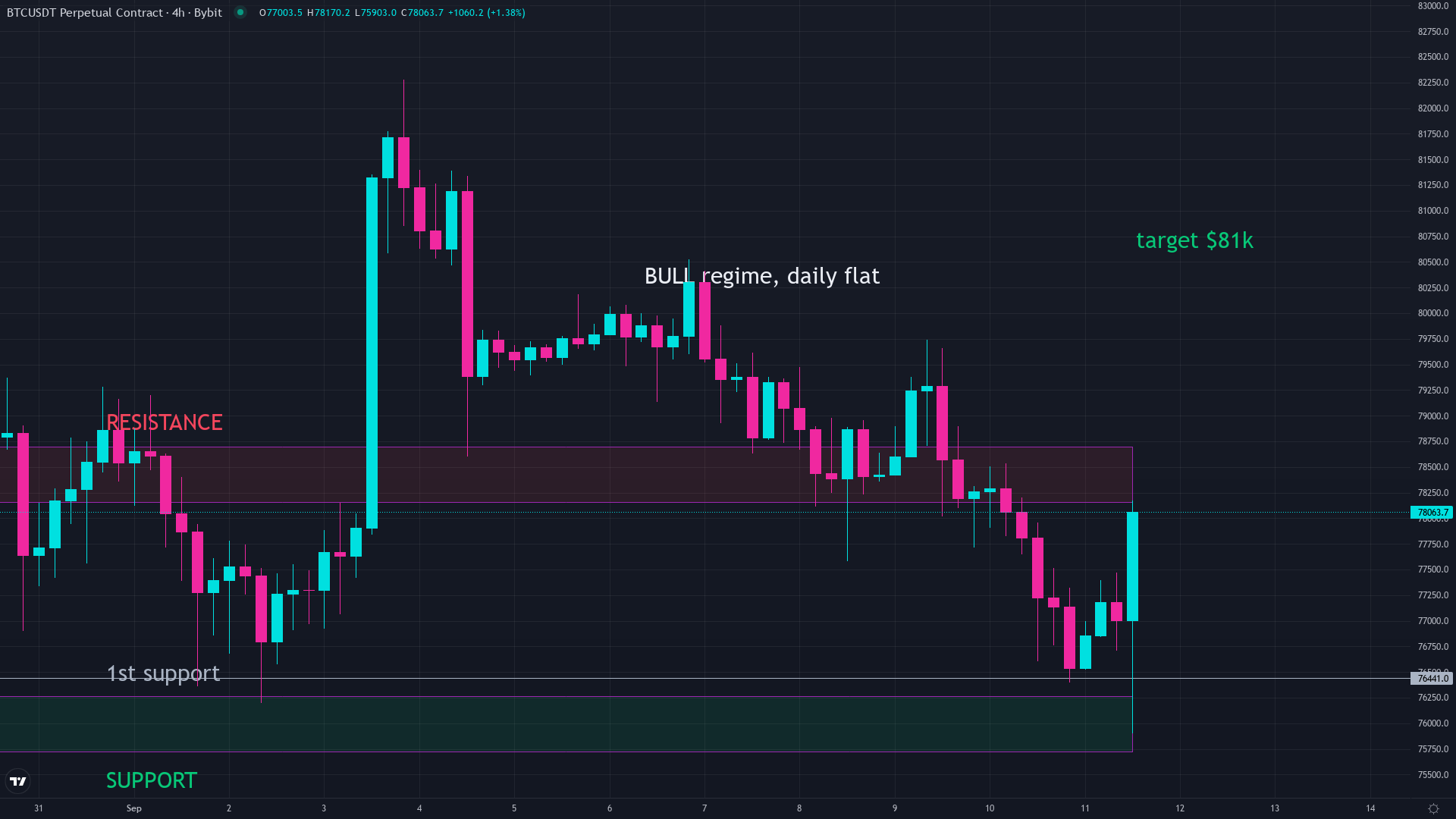
Bitcoin vs real estate is the comparison that starts arguments at dinner tables and never ends them. One side points at a chart that went up 18,000%. The other side points at a house that pays rent every month. Both are right about different things, and both are hiding something. Here are the real numbers, no spin, so you can decide for yourself.
Bitcoin vs real estate over ten years
In January 2016, one Bitcoin cost about $430. Today, September 2026, it trades near $77,600. That is roughly 18,000% in ten years. A $10,000 investment became roughly $1.8 million.
In late 2016, the median US home sold for about $232,000 according to the National Association of Realtors. In mid-2026, Redfin puts the national median near $399,000. That is roughly 72% over the same window. A $10,000 down payment on that median home (with a mortgage) bought you real gains too, but the number looks nothing like 18,000%.
On raw price alone, Bitcoin was not even close. It ran laps around every major asset class over that decade. But raw price is only one piece of the puzzle.
Why the raw numbers are misleading
Real estate has a trick that Bitcoin does not have. It produces income. A rental property can pay you every single month, whether prices go up, sideways, or down. Add in rental income (typically 4% to 7% of property value per year) and the total return on a leveraged rental property gets closer to 8% to 10% a year. That still loses to Bitcoin over ten years, but it compounds quietly and predictably.
The other trick is leverage. Most people buy a house with a mortgage, meaning they put down 10% to 20% and borrow the rest. If a $300,000 house goes up 10%, that is $30,000 of gain on a $60,000 down payment, a 50% return on your actual cash. Bitcoin buyers usually put up the full amount.
So the honest comparison is not just price chart vs price chart. It is a wild ride with no income vs a slow grind with monthly checks and borrowed money working in your favor.
The five-year picture tells a different story
Zoom in to January 2021 through today. Bitcoin went from about $28,700 to $77,600, roughly 170%. The median US home went from about $347,000 to roughly $399,000, about 15% in price. Bitcoin still won, but the margin shrank. Why? Because Bitcoin went through a full boom and bust. It hit $69,000 in late 2021, fell below $16,000 in late 2022, ran to $109,000 in January 2025, then crashed again. If you bought at the wrong moment and sold at the wrong moment, you lost more than half your money, twice, in five years.
Nobody has ever seen a US house lose 50% of its value in six months. The 2008 housing crash, the worst in modern history, took years to play out and the national average fell about 27% peak to trough. Bitcoin does that kind of move on a regular Tuesday.
That is the trade-off nobody wants to talk about. Bitcoin’s long-term returns have been historically enormous. But the ride to get those returns would make most people physically sick. Real estate is boring. And boring has its own kind of value when you are trying to sleep at night.
Liquidity and access
Bitcoin has one advantage that is easy to overlook. You can buy $50 worth right now, at midnight, from your phone, and sell it ten minutes later if you change your mind. Try doing that with a house. Real estate takes weeks to buy, months to sell, thousands in closing costs, and a pile of paperwork. That liquidity difference matters more than most comparisons admit. It means Bitcoin is accessible to people who do not have $60,000 for a down payment, and it means you can get out fast if you need to.
On the flip side, illiquidity is actually a feature for most homeowners. It stops them from panic-selling when the market dips 5%. The friction protects them from themselves. You can sell Bitcoin at 3 AM during a crash. Whether you should is a different question.
So which one wins?
It depends on who you are and what you need. If you already own a home and want to put extra savings to work, Bitcoin has a track record that no other asset matches over long enough timeframes. But you need the stomach for 50% or bigger crashes along the way. If you are building a life and need a place to live, a house does two things at once: it puts a roof over your head and it quietly grows in value while someone else (a renter, or you as the owner) pays down the mortgage.
The smartest answer, and the one nobody wants to hear because it does not sound exciting, is probably both. A home for stability and income. A small, fixed allocation to Bitcoin that you do not touch for years. The people who did that over the last decade are doing very well right now, and they never had to bet everything on one side of the argument.
If you want to track how deep Bitcoin crashes actually go, that is a useful starting point. And if you are wondering whether Bitcoin is a good investment at all, the honest answer starts with your time horizon.
Common questions
Has Bitcoin outperformed real estate?
Over the last ten years, yes. Bitcoin returned roughly 18,000% while US home prices rose about 72%. But real estate also produces rental income and can be bought with leverage, which narrows the gap on total return.
Is Bitcoin riskier than real estate?
Much riskier in the short term. Bitcoin has lost more than 50% of its value multiple times. The worst US housing crash in modern history took years and the national average fell about 27%.
Can you invest in both Bitcoin and real estate?
Yes, and many financial planners suggest doing exactly that. A home for stability and income, a small fixed Bitcoin allocation for long-term growth, with the understanding that Bitcoin will be a rough ride along the way.
Is Bitcoin more liquid than real estate?
Yes. You can buy or sell Bitcoin in minutes, any time of day, from your phone. Selling a house takes weeks to months and costs thousands in fees.
Keep reading
We break down the market like this every day, free on Instagram and YouTube, and in depth inside the community.
Education, not financial advice. Trading involves real risk.