How to Keep a Crypto Trading Journal (What Mine Said About Me)
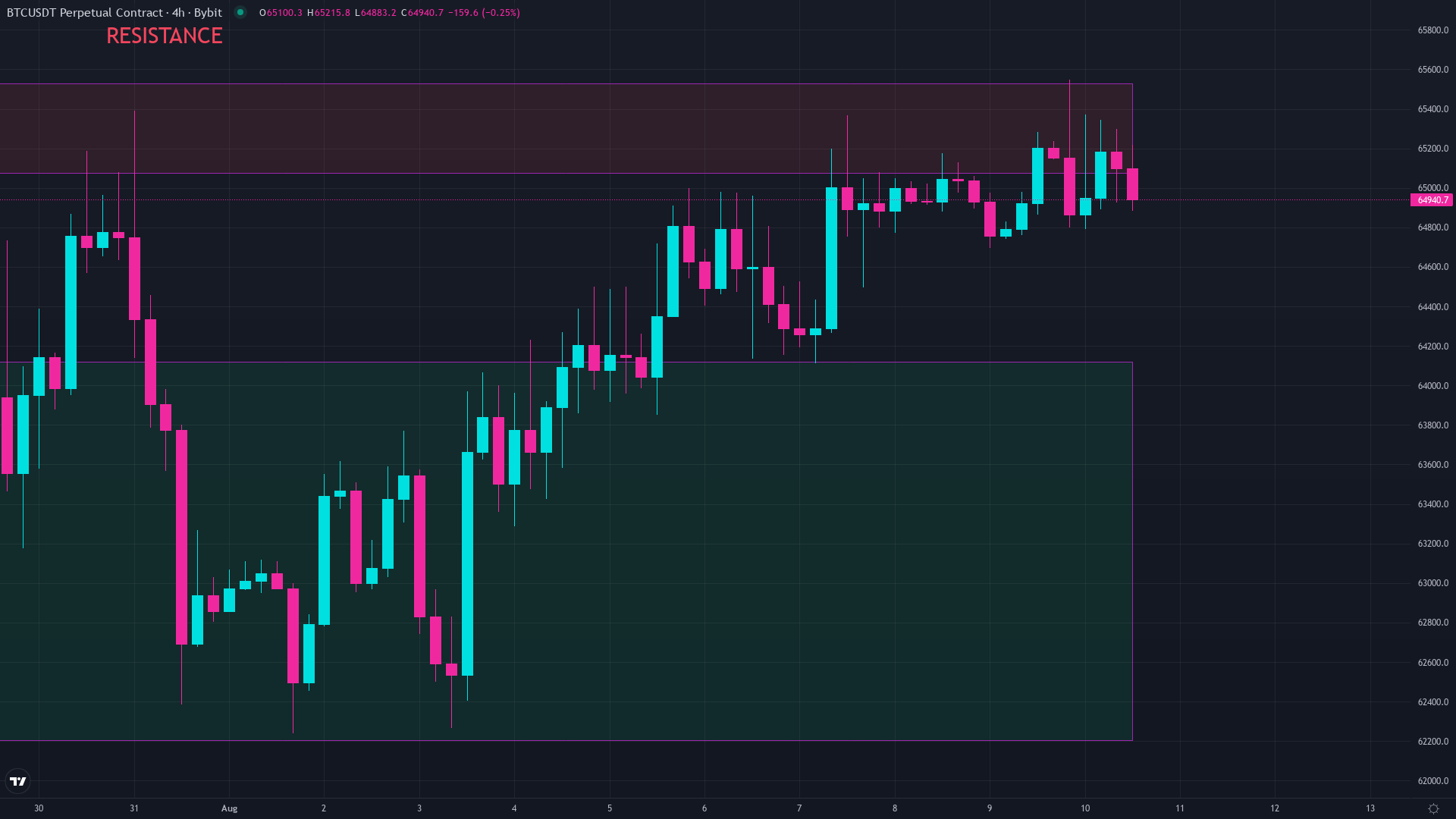
I have made 109 trades. I know that number because I wrote every one down. The first time I sat down and actually read what I had built, one number stood out. It was not my win rate. It was not my return. It was something I had not thought to look for, and it changed how I trade.
A crypto trading journal is the single most underused edge in retail trading. Not because people don’t know they should keep one. Because they add to it and never read it. That’s not a journal. That’s a log nobody opens.
What a crypto trading journal actually is
A trading journal is not a spreadsheet of wins and losses. Anyone can track wins. A real journal is a record of every decision you made, written down before you know how it ends. Entry price, exit price, stop level, the setup that triggered it, and one line on why you took the trade.
That last part is the one most people skip. It is also the only part that matters when you read it back six weeks later.
Your memory rewrites the story the moment a trade closes. If it wins, you remember being confident. If it loses, you remember feeling uneasy. Neither is usually true. The journal tells you what actually happened.
What the data showed me
After 109 trades, my win rate sits at 70% not counting breakevens, and my overall return is +34%. On paper that looks fine. But reading the journal exposed something those headline numbers hide.
The trades I second-guessed the most before entering, the ones I almost skipped, came in with a noticeably higher hit rate than the trades I jumped into quickly. My best setups were the ones that made me hesitate. And I was sizing down on them out of nerves, while putting more on the trades I took on impulse.
That pattern is completely invisible unless you write it down. No amount of staring at a chart while a position is open will show it to you. Only the record does.
Six fields, nothing more
The most common mistake is building a journal so complicated you stop filling it in after two weeks. Start with six fields:
- Date and pair (what you traded)
- Entry price and exit price
- Stop level (where you planned to be wrong; see how to set a stop loss in crypto if you need help placing one)
- Result in R (a 1R win means you made exactly what you risked; a 0.5R loss means you lost half your risk amount; this keeps every trade on the same scale regardless of account size)
- Setup type (what triggered the entry)
- One sentence on why you took it
That is it. Skip the commentary on overall market conditions at first. Those fields become noise. What you need is a clean record of your decisions, not a diary.
The one rule that keeps it honest
Log the trade at entry, before you know the result. Once you see a green or red number on the screen, your memory of how confident you felt starts to shift immediately. Log it when you click in. Your future self will read a record of what you actually thought, not the story you later told yourself about it.
This single rule is the difference between a journal that teaches you something and one that just confirms what you already believe about yourself.
The trades you skip belong in there too
I skip roughly 200 potential setups a month to take about 18. Before I had the data, I thought I was being patient and selective. The journal showed me I was also being inconsistent: the setups I passed on did not always have a good reason behind them.
Log your skipped setups too, at least the ones you noticed and consciously passed on. Write down why you did not take it. Over time this data tells you whether your filter is working or whether you are just avoiding the trades that make you nervous, which is a very different thing.
Half your edge, or lack of it, lives in the trades you did not take.
How to actually read what you built
Review the journal weekly, not daily. Daily reviews are too close to the emotion of recent trades. Weekly reviews are data.
When you have 30 or more trades logged, start asking these questions: Which setup type has the highest hit rate? Not overall. Per setup. Which trades share a time of day, a type of entry, a level of confidence? What do your losing trades have in common?
The answers are almost never the answers you expected. That gap between what you thought and what the data says is exactly where improvement lives. Getting your position sizing right matters, but knowing which setups deserve a full-size trade requires this kind of record first.
A trading journal works because it removes the story you tell yourself and replaces it with what actually happened. That is uncomfortable the first time you sit down to read it. It has been the most useful thing I have done as a trader.
Common questions
What is a crypto trading journal?
A crypto trading journal is a record of every trade you take, including entry price, exit price, stop level, setup type, and your reason for entering, written before you know the result. It turns decisions into data you can actually learn from.
What should I track in a trading journal?
Start with six fields: date and pair, entry and exit price, stop level, result in R, setup type, and one sentence on why you took the trade. Keep it simple or you will stop filling it in.
How often should I review my trading journal?
Weekly, not daily. Daily reviews are too close to the emotion of recent trades. A weekly review lets you look at the data instead of reacting to it.
Does keeping a trading journal actually improve results?
It does if you read it. Most traders log trades and never look back. The edge is in the review, specifically finding which setups actually work for you and which emotional states lead to your worst trades.
Should I log trades I decided not to take?
Yes. Logging the setups you skipped, and why, shows whether your filter is working or whether you are just avoiding trades that make you nervous. Half your edge lives in what you choose not to trade.
Keep reading
We break down the market like this every day, free on Instagram and YouTube, and in depth inside the community.
Education, not financial advice. Trading involves real risk.