Does Technical Analysis Work in Crypto? What the Data Shows
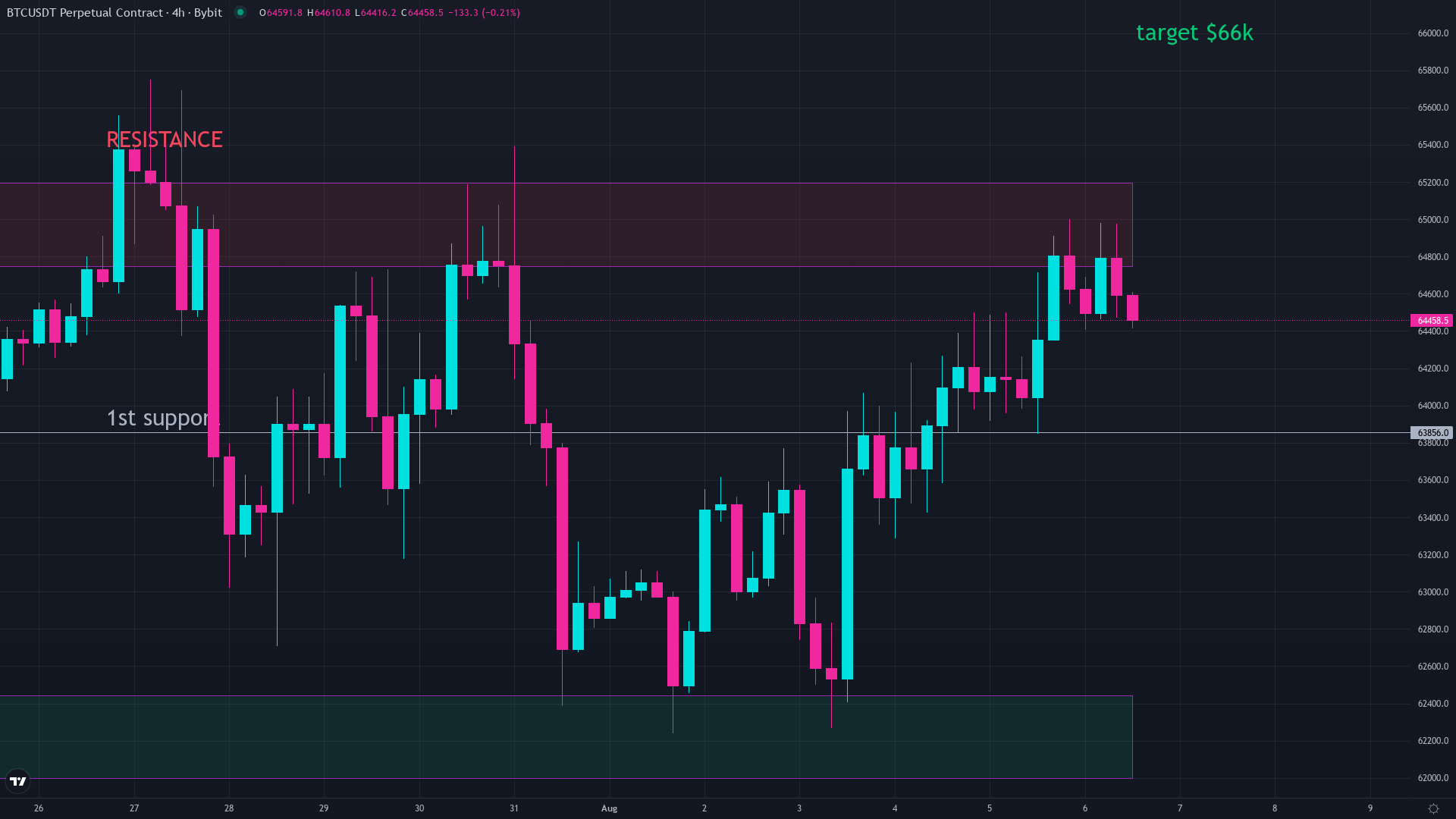
Most traders load their charts with indicators. RSI. MACD. Stochastic. Bollinger Bands. Lines on top of lines. And most of those same traders lose money. That probably feels like a coincidence. It might not be.
The question every new crypto trader asks eventually is this: does technical analysis work in crypto? The honest answer is complicated, and most people explaining it have a financial reason to lean one direction or the other. Here is what the data actually shows.
What Technical Analysis Is (and What It Is Not)
Technical analysis is the study of past price action to make better decisions about future trades. It is not designed to tell you where price goes next. It gives you a framework for reading what buyers and sellers are doing right now.
The problem is that most traders use it backwards. They pick an indicator, wait for a signal, and treat it like a prediction. That is where things fall apart.
The Numbers Behind Why Most Traders Lose
Regulated brokers in Europe are legally required to disclose how many of their clients lose money. Across major platforms, that number sits between 74% and 89%. Not 10%. Not 30%. Three out of four to nearly nine out of ten clients end up in the red.
These people are not all beginners. Many of them are using charts, indicators, and strategies they found online. They are doing what every tutorial told them to do. And they are still losing.
That forces a question. Either technical analysis does not work, or most people are using it wrong. The research leans toward the second one.
Does Technical Analysis Work in Crypto? What Research Found
Researchers have studied whether price patterns in Bitcoin repeat enough to be useful. In a review of 25 academic studies on Bitcoin market efficiency, 20 out of 25 found some evidence that patterns do repeat. There is a real signal in the noise. It is small, and it gets smaller over time as more experienced traders enter the market, but it is there.
The catch is that single indicators run on their own show inconsistent results. Strategies built on RSI alone perform well on some coins and lose money on others. MACD signals that worked in one stretch of market conditions fail in the next. The same rule, applied the same way, produces different results depending on when and where you use it.
Single indicators, used alone, land close to a coin flip after fees.
The Real Edge Is Not in the Signal
Here is what separates the traders who stay from the ones who quit in year two. It is not which indicator they picked. It is what they do when the trade goes against them.
Stops. Position sizing. Knowing how much you are willing to lose before you click buy. That discipline is where the real edge lives. An indicator tells you where to look. A risk rule tells you how much you can afford to be wrong.
I have posted every trade I’ve taken over 109 trades in real time: wins, losses, and breakevens. The win rate sits at 70%. The return is 34% over a stretch where the market fell hard. None of that came from finding a better indicator. It came from risking 1% of the account per trade and not moving that number no matter how confident I felt about a setup.
If you want to understand what that system actually looks like, the breakdown of position sizing in crypto is a good starting point. That is the rule that caps how badly any single trade can hurt you.
What Happens When You Delete the Indicators
A few years back I cleared most of the indicators off my chart. Left price, a couple of reference lines, and one volume check. My results got better.
That should not surprise anyone. When you have 12 indicators on a screen, you will always find a way to read them as agreeing with what you already want to do. That is not analysis. That is confirmation.
The traders I have watched learn fastest are the ones who stripped the chart down and forced themselves to make decisions from fewer inputs. Less noise. Cleaner entries. Better exits.
It is also why so many common crypto trading mistakes come down to overcomplicating the setup rather than missing an indicator. Most people do not need a new signal. They need a simpler decision framework and a rule about what happens when the trade is wrong.
So Does Technical Analysis Actually Work?
Yes. Under one condition. You use it to structure your decision, not to predict the outcome.
A clean setup with a defined risk and a clear exit plan works. A chart covered in indicators with no plan for when the trade fails does not. The difference is not the technical analysis. It is the discipline around it.
The traders losing money are not failing because charts are fake. They are failing because they learned to read a chart and skipped the part about what to do when the chart is wrong. That missing piece is not a signal. It is a rule.
Common questions
Does technical analysis work in crypto trading?
Research shows some edge exists in price patterns, but single indicators alone are inconsistent. Technical analysis works best as a decision framework combined with strict risk rules, not as a standalone price predictor.
What percentage of crypto traders lose money?
Regulated brokers in Europe are legally required to disclose this number. Across major platforms, between 74% and 89% of retail client accounts lose money.
Which technical indicators work best in crypto?
Single indicators like RSI or MACD show inconsistent results on their own. Combinations perform better, but the bigger factor is the risk management system you build around any indicator.
Is technical analysis better than just holding Bitcoin?
Buy-and-hold is a high bar to beat. Most active strategies that rely on indicators alone underperform it. Adding a strict stop-loss and position-sizing rule changes the picture significantly.
How do I get better at reading crypto charts?
Use fewer indicators, not more. Define your maximum loss before every trade and stick to it. The decision framework around the chart matters more than the specific signal you use to enter.
Keep reading
We break down the market like this every day, free on Instagram and YouTube, and in depth inside the community.
Education, not financial advice. Trading involves real risk.