How Many Bitcoins Are Left? (2026 Supply Data)
There will only ever be 21 million bitcoins. That number is locked into the code, and no government, company, or developer can change it. As of September 2026, roughly 19.92 million have already been mined. That means fewer than 1.08 million bitcoins are left, ever. And the real number of coins you could actually buy is far smaller than that.
How Many Bitcoins Are Left to Mine?
Bitcoin hit a milestone on March 9, 2026, when the network mined its 20 millionth coin. At today’s block reward of 3.125 BTC per block, miners produce about 450 new coins per day. That sounds like a lot until you compare it to the 19.92 million already out there. New supply is now a rounding error.
The next halving, expected around April 2028, will cut that reward in half again to 1.5625 BTC per block. After that, daily new supply drops to roughly 225 coins. Then it halves again four years later, and again, and again, until the last fraction of a bitcoin is mined sometime around the year 2140.
Here is the part most people miss. The supply schedule is not slowing down gradually. It falls off a cliff every four years. Imagine a faucet that gets turned halfway shut on a timer. The water never stops, but after a few turns, the drip is almost nothing. Bitcoin is already past the point where new supply meaningfully matters.
The Supply You Cannot Buy
The 21 million cap is the headline number, but the actual supply available to buy or sell is much lower. Analysts estimate that somewhere between 3 and 4 million bitcoins are permanently lost. Forgotten passwords, dead hard drives, coins sent to wrong addresses, wallets from 2009 and 2010 that will never move again.
Satoshi Nakamoto, Bitcoin’s anonymous creator, is estimated to hold around 1.1 million BTC across roughly 22,000 early mining wallets. None of those coins have moved since 2010. Nobody knows if Satoshi is alive, dead, a group, or a single person, but those coins have sat untouched for over 16 years.
When you subtract the lost coins and the locked-away stashes, the effective circulating supply is probably closer to 15 or 16 million. That is the real pool of bitcoin that the entire world is competing for.
Why Shrinking Supply Matters for Price
Bitcoin’s price is set by supply and demand, just like anything else you can buy and sell. The twist is that the supply side only goes one direction: down. Every four years the new coins entering the market get cut in half. Meanwhile, coins keep getting lost (people are still losing access to wallets today, not just in the early days).
Think of it like this. Imagine a factory that makes 450 sneakers a day, and every four years someone walks in and smashes half the machines. The factory never shuts down, but it produces less and less. If the same number of people want sneakers (or more), prices go up because the shoes get harder to find.
That does not guarantee the price goes up tomorrow, next month, or even next year. Demand swings wildly. Bitcoin crashes happen even while supply is shrinking. But over multiple years and multiple cycles, the math tilts in one direction. Every cycle starts with less new supply than the one before.
The 21 Million Cap in Context
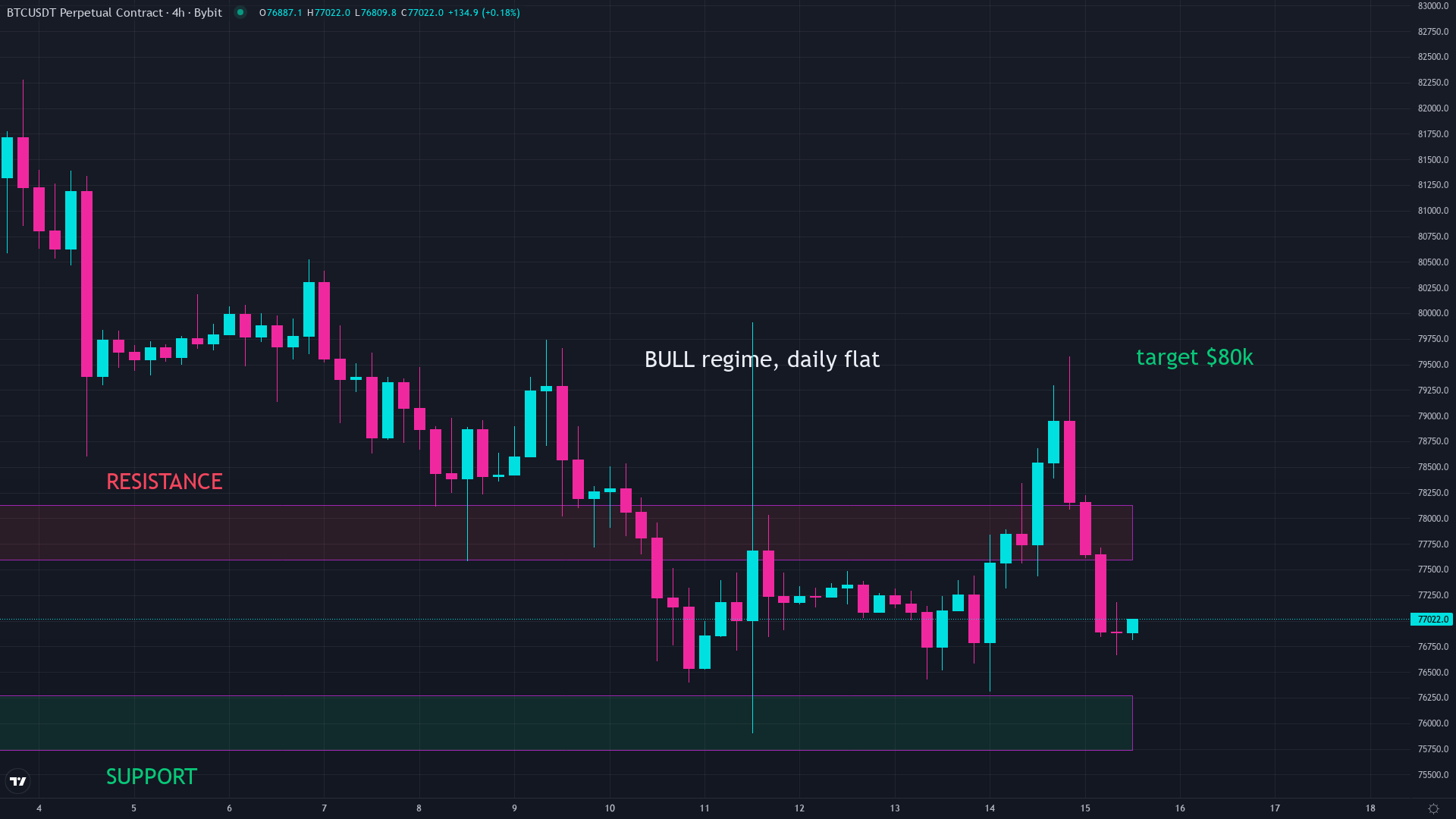
There are roughly 8 billion people on Earth. If you divided all 21 million bitcoins equally, each person would get about 0.0026 BTC. At today’s price of around $77,000, that is roughly $200 per person. If you only count the coins that are actually available (say 16 million), the math gets tighter.
There are over 60 million millionaires worldwide. There are not enough whole bitcoins for each of them to own even one, even if they wanted to. This is not a prediction. It is arithmetic.
Bitcoin spot ETFs now hold over $100 billion in assets in the United States alone, and those holdings keep growing. Corporations like MicroStrategy hold hundreds of thousands of coins. Whales and institutions are absorbing supply faster than miners can produce it.
The Takeaway
- Fewer than 1.08 million bitcoins remain to be mined. Over 95% of all bitcoin that will ever exist is already out there.
- An estimated 3 to 4 million coins are permanently lost, so the real available supply is closer to 16 million.
- New supply gets cut in half every four years. The next cut comes in April 2028.
- None of this guarantees price goes up on any specific day, but the supply math only tightens from here.
Common questions
How many bitcoins are left to mine?
As of September 2026, fewer than 1.08 million bitcoins remain to be mined out of the 21 million maximum supply. Over 19.92 million have already been produced.
When will the last bitcoin be mined?
The last bitcoin is expected to be mined around the year 2140. The block reward halves roughly every four years, making the final coins take over a century to produce.
How many bitcoins are lost forever?
Analysts estimate between 3 and 4 million bitcoins are permanently lost due to forgotten passwords, dead hardware, and inaccessible wallets. This reduces the effective supply well below the 21 million cap.
How many bitcoins does Satoshi Nakamoto own?
Satoshi Nakamoto is estimated to hold around 1.1 million BTC spread across roughly 22,000 early mining wallets. None of those coins have moved since 2010.
Is there enough bitcoin for everyone?
No. If you divided all 21 million bitcoins among 8 billion people, each person would get about 0.0026 BTC. There are not even enough whole bitcoins for every millionaire to own one.
Keep reading
We break down the market like this every day, free on Instagram and YouTube, and in depth inside the community.
Education, not financial advice. Trading involves real risk.