What Is a Bitcoin ETF? How It Works in Plain English
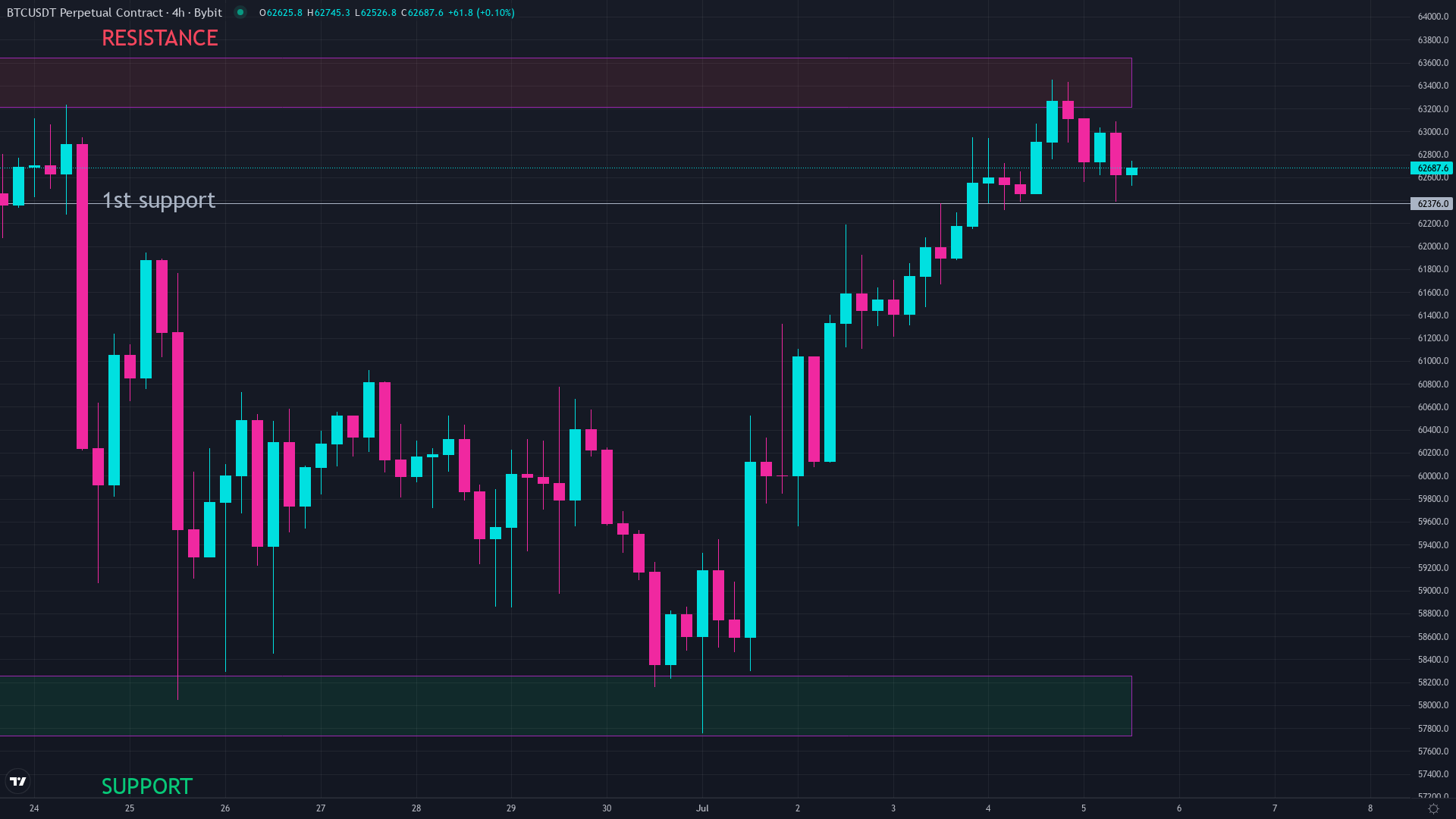
Since January 2024, you can buy Bitcoin on the stock market. Not Bitcoin itself, but a fund that holds Bitcoin for you. That fund is called a Bitcoin ETF, and in its first year it pulled in more money than any ETF launch in history. If you have heard the term and wondered what it actually means, here is the whole thing in plain English.
What is a Bitcoin ETF?
ETF stands for exchange-traded fund. Think of it like a container. A company (BlackRock, Fidelity, etc.) buys a pile of Bitcoin, puts it in the container, and then sells shares of that container on the stock exchange. When you buy a share of the ETF, you own a tiny slice of the pile. You never touch the Bitcoin. You never set up a wallet. You just buy and sell the share in your brokerage app the same way you would buy a share of Apple or Tesla.
The price of that share moves with Bitcoin. If Bitcoin goes up 5%, the ETF share goes up roughly 5%. If Bitcoin crashes 50%, the share drops roughly 50%. You get the ride without handling the keys.
Spot vs futures: the two types
There are two flavors, and the difference matters.
- Spot Bitcoin ETF. The fund buys and holds real Bitcoin. The share price tracks the actual market price of Bitcoin, minus a small annual fee. This is what most people mean when they say “Bitcoin ETF” in 2026.
- Futures Bitcoin ETF. The fund does not hold any Bitcoin. Instead it buys contracts that bet on where Bitcoin’s price will be next month. These contracts cost money to roll over every month, so the price can drift away from Bitcoin over time. Futures ETFs existed before spot ETFs, but spot is now the standard.
If someone says “I bought the Bitcoin ETF,” they almost certainly mean a spot ETF. The biggest one is BlackRock’s iShares Bitcoin Trust (ticker: IBIT), which held over 700,000 Bitcoin by early 2026.
What you actually own (and what you do not)
This is the part people skip. When you buy a share of IBIT or any spot Bitcoin ETF, you own a share of a trust. You do not own Bitcoin. You cannot withdraw it to your own wallet. You cannot send it to someone. You cannot use it to pay for anything. If the ETF company shuts down, your shares get liquidated at market price, you do not get Bitcoin delivered to your door.
That matters because the whole original point of Bitcoin was that you hold your own money, no middleman. An ETF adds the middleman back. For some people that tradeoff is fine. For others it defeats the purpose. Neither side is wrong, it depends on what you want Bitcoin for.
Why people buy the ETF instead of Bitcoin
Three big reasons keep coming up:
- Simplicity. No wallet, no seed phrase, no exchange account, no withdrawal fees. It sits in the same brokerage as your stocks and retirement accounts.
- Regulation. The ETF trades on a regulated U.S. exchange. Some investors, especially institutions, are required to use regulated products. Before the ETF, most pension funds and large advisors could not touch Bitcoin at all.
- Tax wrappers. In some countries and account types (like a Roth IRA in the U.S.), holding Bitcoin directly is complicated or impossible. The ETF fits inside these wrappers like any other stock.
The tradeoffs
Nothing is free. Here is what the ETF costs you compared to buying Bitcoin yourself:
- Fees. Every spot Bitcoin ETF charges an annual expense ratio. Most charge between 0.15% and 0.25% per year. That sounds small, but over a decade it compounds. Holding your own Bitcoin costs zero per year.
- No self-custody. You trust the fund, its custodian, and the brokerage. If any of those fail, your recourse is legal, not cryptographic. With your own Bitcoin, as long as you have your keys, nobody can freeze or seize it.
- Market hours. Bitcoin trades 24/7. The ETF trades only when the stock market is open: roughly 9:30 a.m. to 4 p.m. Eastern, Monday through Friday. Big moves over the weekend can create gaps at Monday’s open.
- Tracking error. The ETF price can drift slightly from Bitcoin’s real price, especially during fast moves or when the fund rebalances. The gap is usually small, but it exists.
How the ETF affects Bitcoin’s price
When money flows into a spot ETF, the fund has to buy real Bitcoin on the open market. That is real demand. When money flows out, the fund sells. In 2025 and into 2026, ETF outflows became a major force pushing price lower, because billions of dollars of selling hit the market in concentrated waves. The ETF did not change what Bitcoin is, but it changed how money moves in and out, and how fast.
That is also why the launch mattered: it connected Bitcoin to the traditional financial plumbing. Money that could never flow into Bitcoin before (retirement accounts, institutional mandates, advisory platforms) now has a pipe. Whether that pipe is filling or draining on any given week is a signal worth watching. We track it in the daily data breakdown.
The bottom line
A Bitcoin ETF is the simplest way to get Bitcoin exposure through a regular brokerage account. You trade convenience and regulation for custody and fees. It is not better or worse than holding Bitcoin yourself. It is a different tool for a different type of buyer. Know which one you are before you click buy.
Common questions
What is a Bitcoin ETF?
A Bitcoin ETF is an exchange-traded fund that holds Bitcoin and trades on the stock market. You buy shares through a regular brokerage account and get exposure to Bitcoin's price without ever touching the actual cryptocurrency.
How does a Bitcoin ETF work?
A spot Bitcoin ETF buys and holds real Bitcoin. The fund's share price tracks Bitcoin's market price, minus a small annual fee. You buy and sell shares just like a stock.
What is the difference between a spot and futures Bitcoin ETF?
A spot ETF holds actual Bitcoin. A futures ETF holds contracts that bet on Bitcoin's future price, which can drift from the real price over time. Spot ETFs are now the standard.
Is buying a Bitcoin ETF the same as buying Bitcoin?
No. You own a share of a fund, not actual Bitcoin. You cannot withdraw it to a wallet, send it to someone, or use it as payment. You trade self-custody for convenience and regulatory protection.
What fees does a Bitcoin ETF charge?
Most spot Bitcoin ETFs charge an annual expense ratio between 0.15% and 0.25%. That fee compounds over time. Holding your own Bitcoin in a personal wallet costs nothing per year.
Keep reading
- Bitcoin ETF Outflows Explained: What They Mean for Price
- Should I Buy Bitcoin Now? What the Data Says
We break down the market like this every day, free on Instagram and YouTube, and in depth inside the community.
Education, not financial advice. Trading involves real risk.