How to Backtest a Crypto Trading Strategy (Without Fooling Yourself)
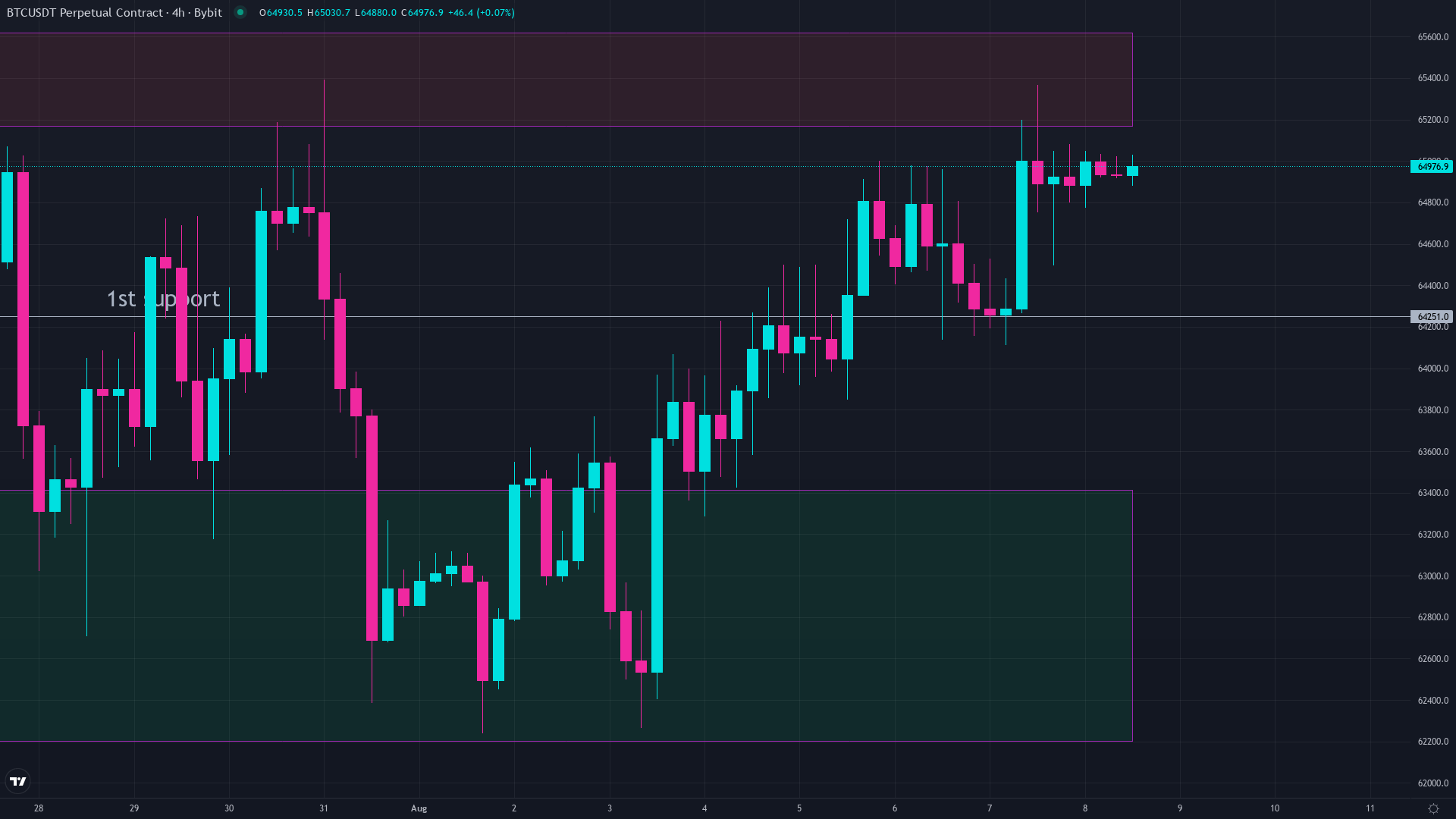
Most backtest results are fake. Not fake on purpose. Fake by accident. There is one mistake that almost everyone makes, and it makes any strategy look far better than it actually is.
What backtesting a crypto strategy actually means
Backtesting is straightforward. You take a trading rule, run it through years of historical price data, and count what would have happened. If your rule says “buy Bitcoin when this signal appears,” you find every moment that signal appeared in the past, track each trade to its exit, and calculate the total result. If the idea never worked historically, that is useful information before you lose real money on it.
This is how professional traders and funds screen ideas. It is not a guarantee, but it is a much better starting point than trusting a hunch with real capital.
The mistake that turns good backtests into bad ones
Here is what most people do. They build a strategy, test it on historical data, see what went wrong, adjust the settings, test again, and repeat until the numbers look good. It feels like improvement. It is not.
By the end of that process, the strategy has memorized the past instead of learning from it. It knows every spike and crash in that specific chart by heart. Put it in front of a new year of data and it falls apart completely, because it was not discovering a rule. It was building a map of a road it already drove.
This is the single most common trap in all of trading research. The more times you adjust and retest on the same data, the more you are teaching the strategy to cheat, even if you never intended to.
The fix: test on data the strategy never saw
The solution is simple. Split your historical data in two before you start. Use the first chunk to build the strategy and pick your settings. Lock those settings completely. Do not change anything after that. Then run the strategy unchanged on the second chunk, data it has never touched.
If it still works on that second chunk, you have a real result. If it collapses, the first result was a mirage built from memorization, not edge.
A practical split: if you have five years of data, build on years one through three. Test on years four and five. The years-four-and-five number is the only one that actually counts. A strategy that holds up on both halves is worth taking seriously.
Why you have to test through crashes, not just bull runs
Any rule that said “buy Bitcoin” made money from 2020 to late 2025. That does not mean the rule was good. It means the market went up.
A real backtest includes at least one period where Bitcoin fell 60% or more. If your strategy only made money when Bitcoin was already running, it has no edge. It has the market doing the work for it, and the market will not always cooperate.
Test through the worst years you can find. If the strategy survives those and still makes money, you have learned something useful. If it only looks good in the easy years, the live version will disappoint you the moment things get hard.
Why fees change the result more than most people expect
A backtest that shows a strategy gaining 40% a year might show 4% after fees and realistic trade sizing. That is not a small gap.
If the strategy trades frequently, the fees pile up with every trade. A system that buys and sells every day is paying fees hundreds of times a year. Those costs are invisible in a backtest if you forget to add them, and they become very visible in a live account.
Always run the numbers with a conservative fee estimate. If the strategy still makes money after that, the result is credible. If fees wipe out most of the gain, the edge is not real enough to trade.
A simple checklist before trusting any backtest result
- Did you test on data the strategy never saw while you were building it? If no, the result is unreliable.
- Does it survive at least one major crypto crash? A strategy that only worked in a bull market is a bull-market strategy, not a trading edge.
- Does it still make money after realistic fees? Add them before you trust the number.
- Did you fix the settings before the second test? Any change after seeing the second-chunk result means you are back to memorization.
If all four are yes, the result is worth watching live. If any are no, the backtest tells you very little about what will happen with real money.
Jae runs every strategy through this filter before risking anything on it. Most ideas do not survive the process, which is the point. A backtest that filters ruthlessly now saves you from a live strategy that fails expensively later. For a broader look at the patterns that cost traders the most before they learn this, the picture is consistent. Real edges are rarer than people think, and the only way to find one is to test it honestly.
Common questions
How do I backtest a crypto trading strategy?
Pick a trading rule, run it through historical price data, and count what would have happened on each trade. The key step is to test it on a separate chunk of data that you never used while building the strategy, so the result reflects something real rather than memorization.
Why do most backtests fail when traded live?
Because the strategy was adjusted and retested on the same data until it looked good. That process teaches it to memorize history rather than find a genuine rule. Testing on data the strategy has never seen is the fix.
How much historical data do you need to backtest a crypto strategy?
Enough to cover at least one full bull market and one major crash. For Bitcoin, that means at least four to five years of data so you can see how the strategy behaves across very different conditions.
Do trading fees matter when backtesting?
Yes, more than most people expect. Fees can turn a strategy that shows 40% annual gains into one that earns 4% after costs. Always add a realistic fee estimate before trusting the backtest result.
What is the most common backtesting mistake in crypto?
Testing the same data used to build the strategy. If you adjusted the settings until the backtest looked good, the result reflects memorization of the past, not a real trading edge.
Keep reading
- The Perfect Risk-Reward Ratio in Crypto Trading
- Crypto Trading Mistakes That Cost Beginners the Most
We break down the market like this every day, free on Instagram and YouTube, and in depth inside the community.
Education, not financial advice. Trading involves real risk.