Is Bitcoin a Bubble? What 478 Obituaries Got Wrong
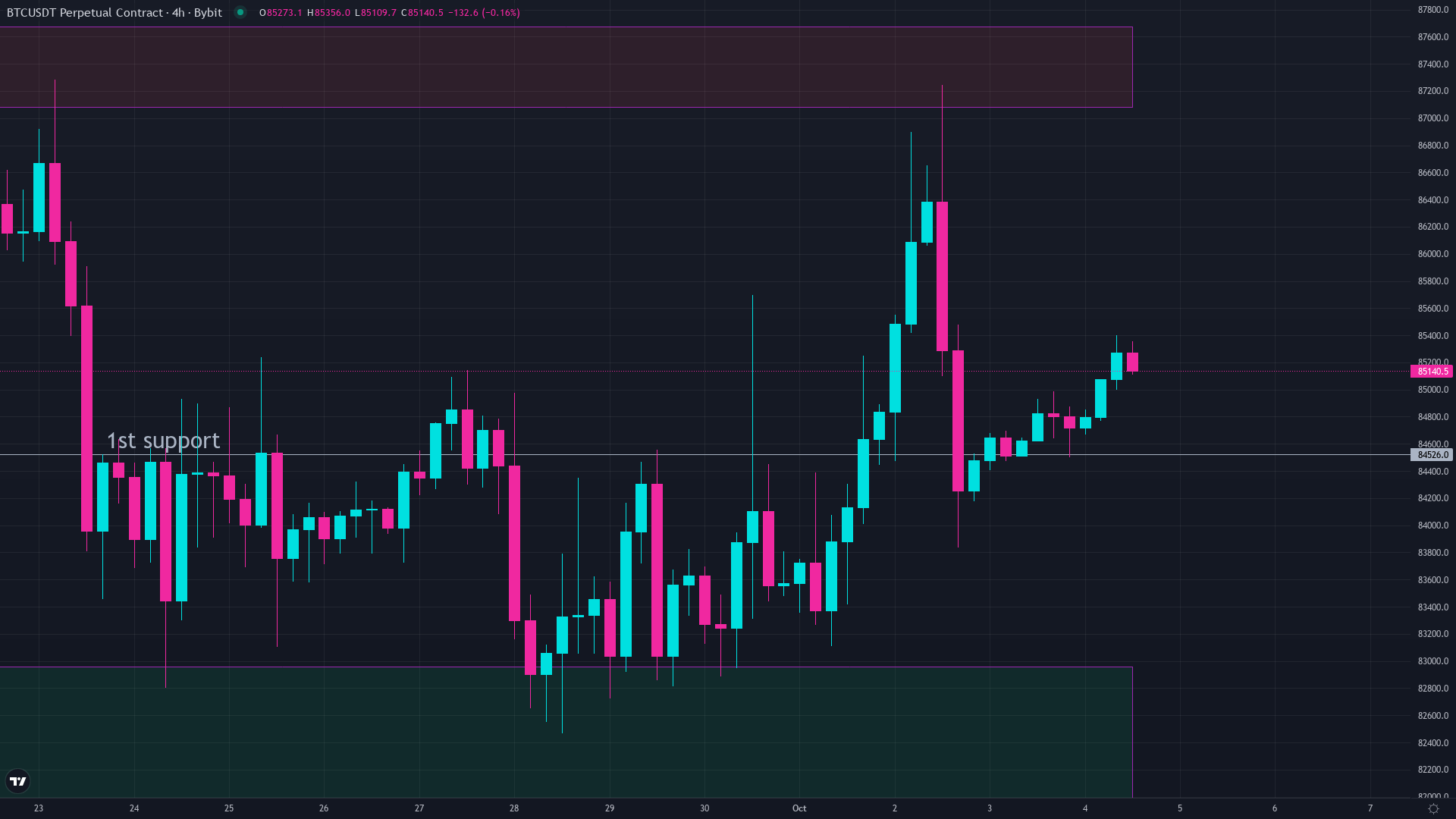
Bitcoin has been officially declared dead 478 times since 2010. Journalists, economists, and Nobel Prize winners have all called it a bubble. And every single time, the people who believed them sold to the people who did not.
So is Bitcoin a bubble? The word gets thrown around every time the price drops 30% or more. But before you repeat it, you should probably know what a real bubble actually looks like, because Bitcoin does not match the pattern.
What a real bubble looks like
A bubble has one defining feature. It pops once and never comes back.
Dutch tulip bulbs crashed in February 1637. They never recovered. The South Sea Company collapsed in 1720 and went to zero. The Nasdaq crashed 77% after the dot-com peak in March 2000, and it took 15 years to get back to even. Investors who bought Pets.com, Webvan, or eToys lost everything permanently.
That is the signature of a bubble. One spike, one crash, and then the thing either dies or takes a generation to heal. Now compare that to Bitcoin.
Bitcoin has crashed four times and recovered every time
Here is the full record.
- 2011: Bitcoin peaked near $31 and crashed 93%. It recovered to a new all-time high in about 20 months.
- 2013 to 2015: Bitcoin peaked near $1,100 and crashed 85%. It took about 37 months, but it came back and kept going.
- 2017 to 2018: Bitcoin hit $20,000 and crashed 85%. It recovered in roughly 36 months, then ran past $60,000.
- 2021 to 2022: Bitcoin topped near $69,000 and crashed 77%. It recovered in about 28 months and hit a new record above $126,000 in October 2025.
Four crashes. Four recoveries. Every single cycle ended higher than the last. No real bubble in history has done that.
Why the “bubble” label keeps coming back
The reason is simple. Bitcoin is volatile. A 30% drop feels terrifying when you are living through it, and the financial media knows that fear sells headlines. But volatility is not the same thing as a bubble.
Volatility means the price swings hard in both directions. A bubble means the price goes up on pure hype, then collapses permanently because there was nothing underneath it.
Bitcoin swings hard, yes. But every time it has crashed, it has come back stronger. That is the opposite of a bubble. That is a volatile asset on a long-term growth curve, one where the crashes themselves keep getting smaller cycle over cycle. The 2011 crash was 93%. The 2022 crash was 77%. The floor keeps rising.
What the “it is a bubble” crowd keeps missing
Real bubbles are built on nothing. Tulip bulbs had no network. Pets.com had no revenue model. Bitcoin has a fixed supply of 21 million coins, a decentralized network running 24 hours a day, and institutional holders including governments and the largest asset managers on the planet.
Today, Bitcoin trades near $85,000. That is about 32% below its all-time high of roughly $126,000. The Fear and Greed Index sits at 65, which is solidly in greed territory. By every historical pattern, Bitcoin is doing exactly what it has done after every prior crash. Recovering.
Could it crash again? Absolutely. It almost certainly will. That is what Bitcoin does. But calling each crash a “bubble popping” requires you to ignore the four previous times the same prediction was dead wrong.
The real question is not whether Bitcoin is a bubble
The real question is whether you will be the person who panics during the next crash, or the person who studies every crash that came before and acts on the pattern instead of the fear.
Every major Bitcoin crash has looked like the end of the story. Every one so far has turned out to be the middle of it. The 478 obituaries are the receipts. Not of Bitcoin failing, but of the people who called it wrong, over and over and over again.
A real bubble pops once. Bitcoin has “popped” four times and is still here, still higher, still growing. At some point, you have to ask yourself whether the bubble label is analysis or just a reflex.
Common questions
Is Bitcoin a bubble?
Bitcoin does not fit the pattern of a real bubble. It has crashed over 77% four times and recovered to a new all-time high every time. Real bubbles pop once and never come back.
How many times has Bitcoin been called dead?
Bitcoin has been declared dead 478 times since 2010, according to public obituary trackers. Every declaration so far has been followed by a recovery to a higher price.
Has Bitcoin ever recovered from a crash?
Yes, every time. Bitcoin crashed 93% in 2011, 85% in 2013 and 2017, and 77% in 2022. It recovered to a new all-time high after each one, most recently hitting $126,000 in October 2025.
Why do people keep calling Bitcoin a bubble?
Bitcoin is extremely volatile, and large price drops trigger fear and media coverage. But volatility is not the same as a bubble. A bubble pops once and stays dead. Bitcoin keeps coming back.
What is the difference between a bubble and volatility?
A bubble collapses permanently because there was nothing real underneath the price. Volatility means the price swings hard in both directions but the long-term trend continues.
Keep reading
We break down the market like this every day, free on Instagram and YouTube, and in depth inside the community.
Education, not financial advice. Trading involves real risk.